AI-Powered Security

See Beyond Code
with Binary Shield

Enterprise-grade static analysis for Windows executables. Detect 30+ vulnerabilities with AI-powered threat intelligence, memory analysis, fuzzing, and ML predictions.

30+Test Cases
24/7Threat Intel
3Report Formats
99%Accuracy
30 Test Cases
AI Learning
Real-time

Powerful Capabilities

Everything you need to secure your thick client applications

30+ Vulnerability Tests

Memory corruption, injection attacks, crypto issues, and more

AI-Powered Learning

Fetches latest threats from MITRE CWE, CAPEC, NVD

Deep Decompilation

Ghidra for native, dnSpy for .NET assemblies

Professional Reports

HTML, JSON, CSV, PowerPoint, PDF with heatmaps

PE Security Analysis

ASLR, DEP, SafeSEH, CFG, HighEntropyVA checks

Threat Intelligence

CVE lookup, Exploit-DB, VirusTotal integration

Memory Analysis

Scans process memory for secrets, injected code, anti‑debug

Fuzzing Harness

Auto‑generates malformed inputs to discover crashes

ML Vulnerability Prediction

Predicts risky functions based on historical data

Auto False‑Positive Classification

Reduces noise by learning from user feedback

SBOM Generation

Creates Software Bill of Materials for dependencies

Remediation Snippets

Copy‑paste safe code examples for each vulnerability

CVSS-based approaches miss modern-day threats

Organizations are struggling to keep pace with an explosion of vulnerabilities — and the result is manual bottlenecks, delayed patches, and preventable breaches. Each Common Vulnerabilities and Exposures (CVE) consumes valuable IT resources — from assessing priority and impact to identifying fixes, testing for downstream effects, and deploying patches. Traditional scoring systems like CVSS often compound the problem: they measure severity, not real-world risk. The result is wasted effort on low-impact issues while true threats linger, leaving critical systems exposed.

1

Growing vulnerability gap

The number of new CVEs has increased by more than 520% since 2016, overwhelming security teams.

2

Manual processes put security at risk

52% of organizations admit they are falling behind because they still rely on manual workflows.

3

Severity scores don't equal risk

Traditional systems like CVSS measure technical severity, not real-world exploitability — wasting effort on the wrong issues while true threats linger.

4

Missed patches drive breaches

47% of vulnerabilities remain unpatched even 12 months after discovery — and 60% of breaches stem from flaws that already had available fixes.

Get actionable scan results in minutes

  • Schedule one-time or recurring scans
  • Initiate unlimited concurrent scans in multiple environments at the same time
  • Detect 7,000+ vulnerabilities, including OWASP Top 10, DLL Hijacking, out-of-band vulnerabilities, and more
  • Get 90% of your results before your scan is halfway complete
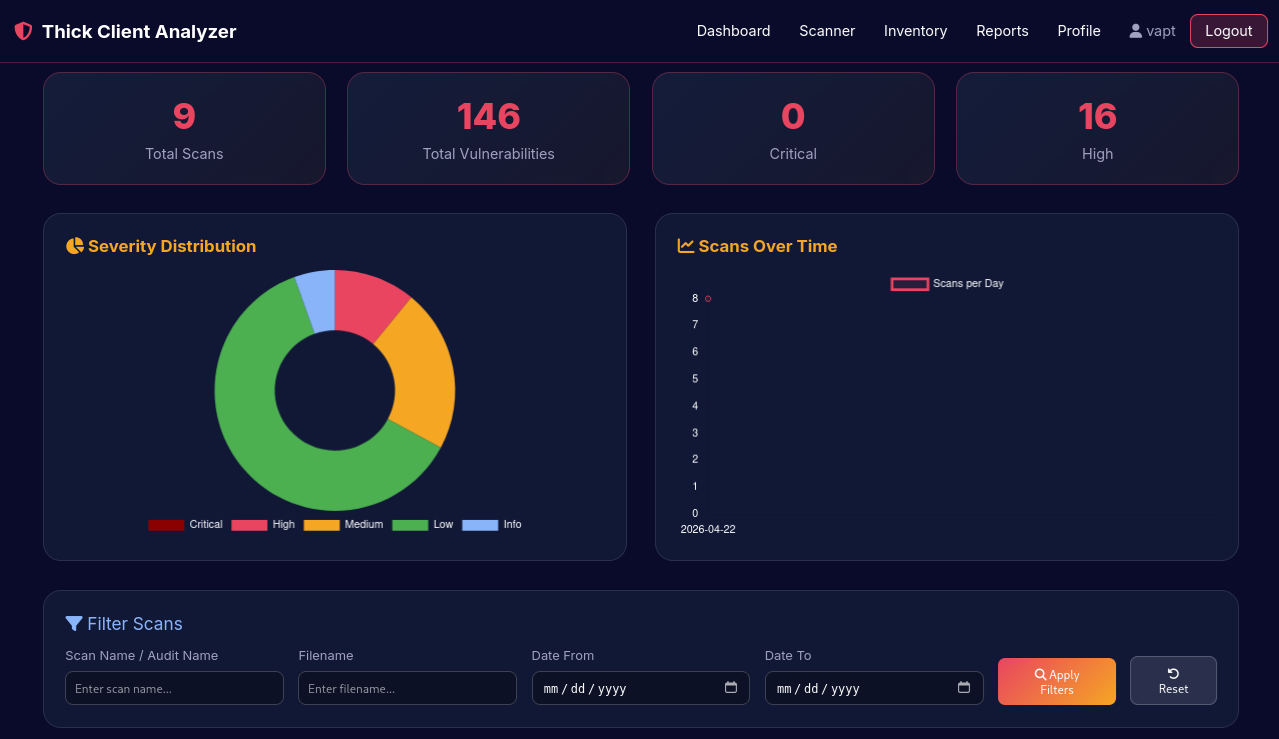
Scan Results Graph

Get in Touch

Have questions? Reach out to our team

Send us a message